Healthcare Operational
Automation with AIOps


Technology We Used


Project Overview
A healthcare organization in Thailand needed reliable IT operations as clinical apps, patient services, and hospital systems scaled across cloud and on-premise environments. Starling Elevate implemented Healthcare Operational Automation with AIOps to unify monitoring, automate incident response, and improve infrastructure visibility for care-critical systems.
The three-month project used Datadog, Prometheus, Grafana, and Kubernetes to collect telemetry, correlate alerts with AI, and run automated remediation workflows for healthcare IT teams.
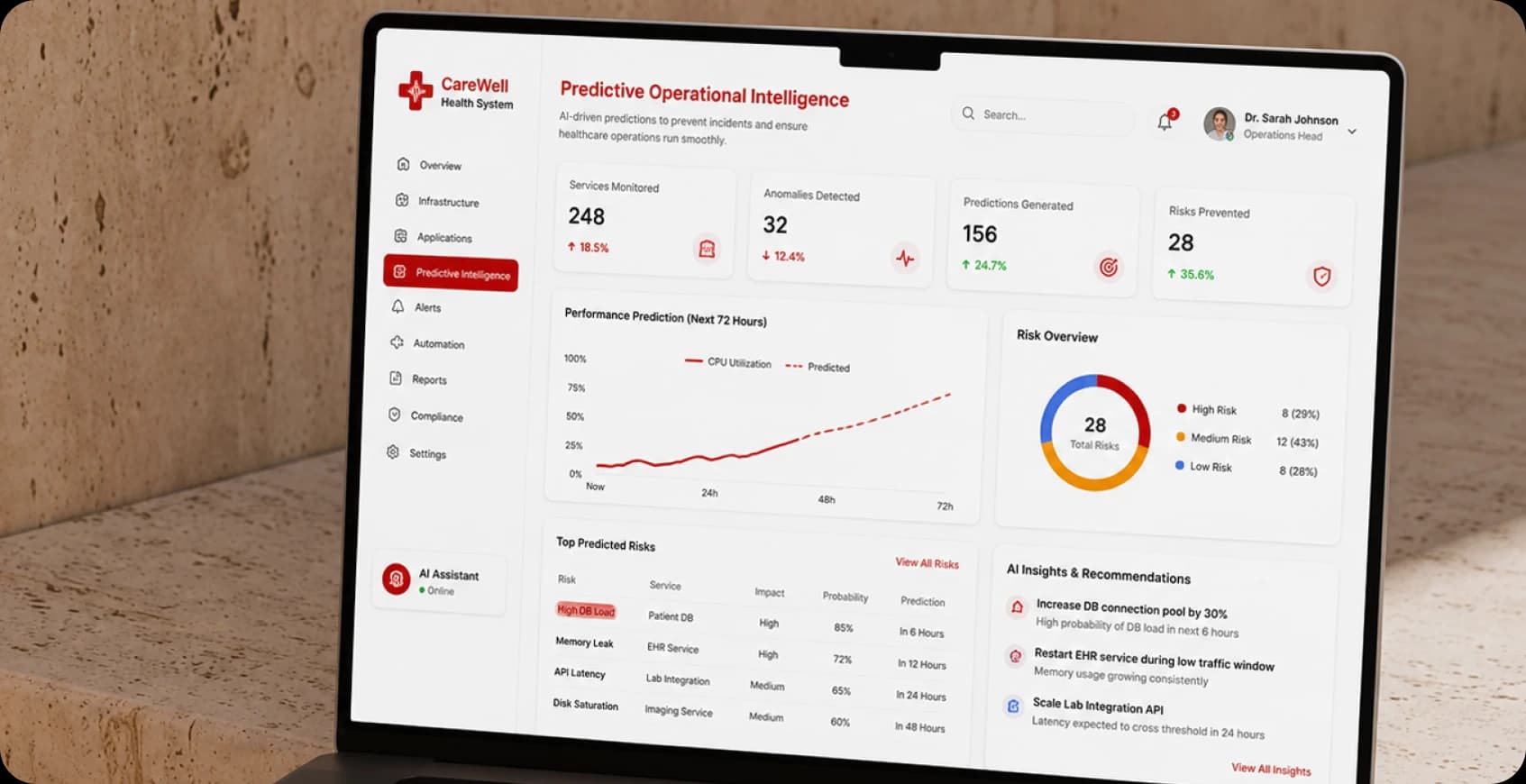
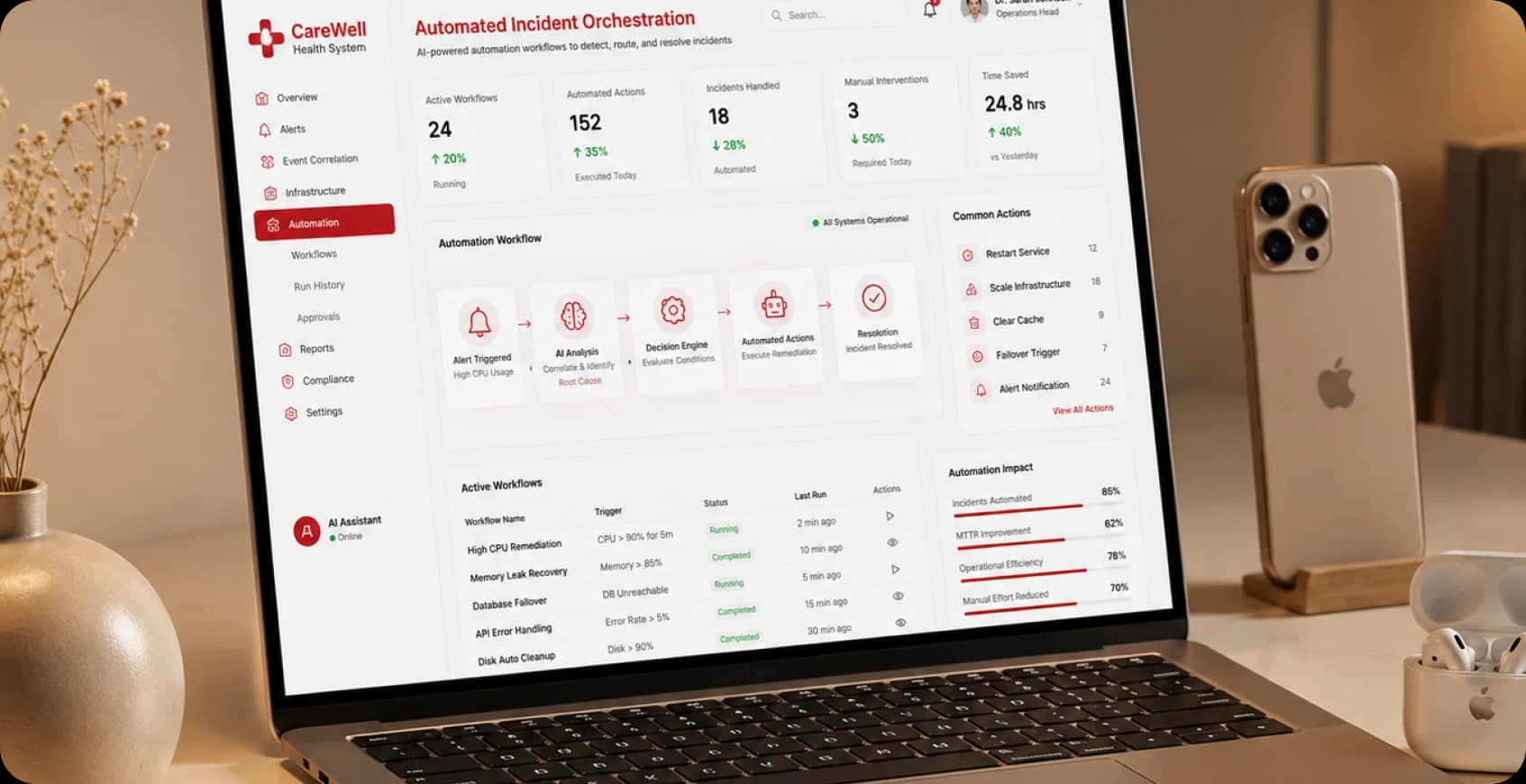
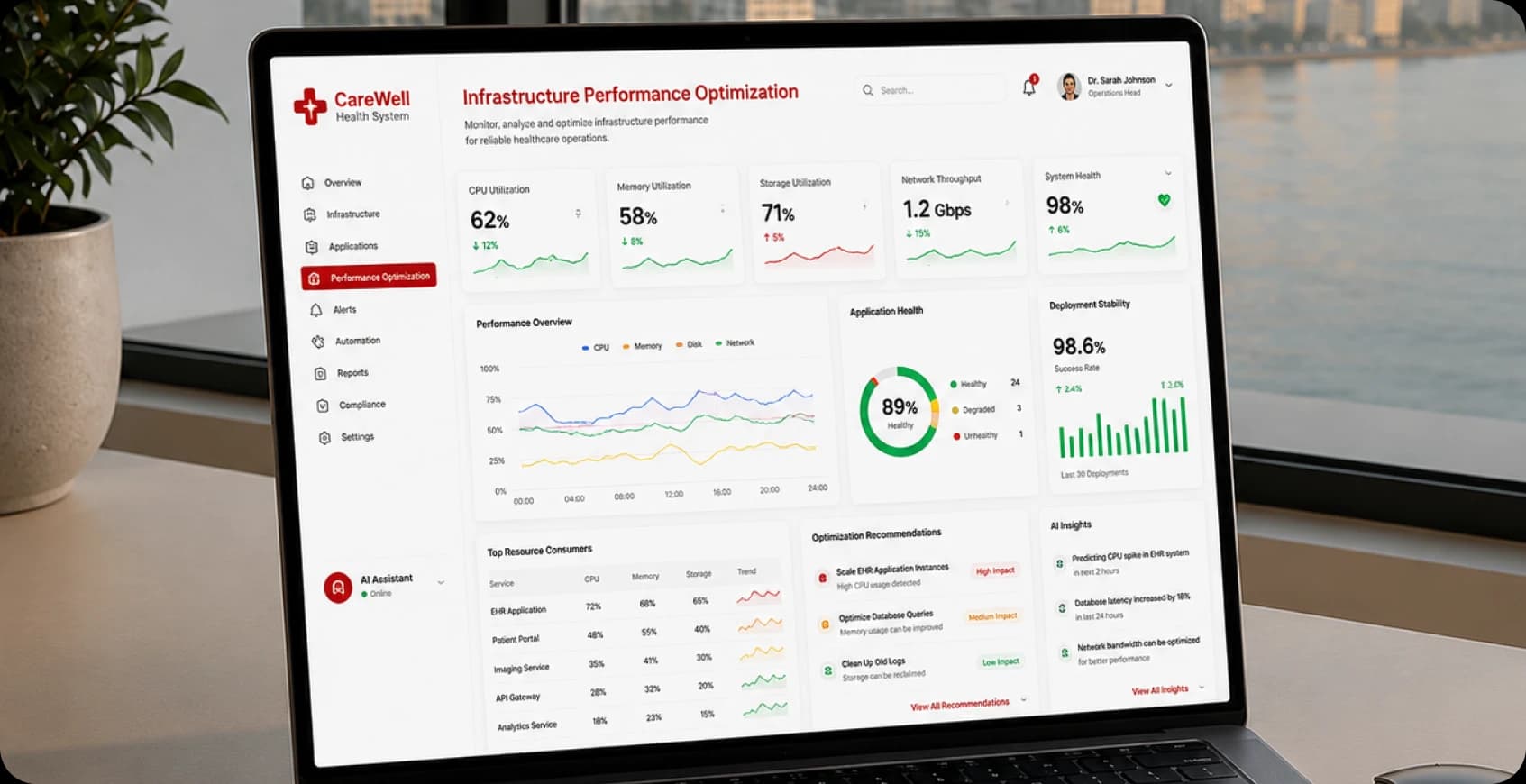
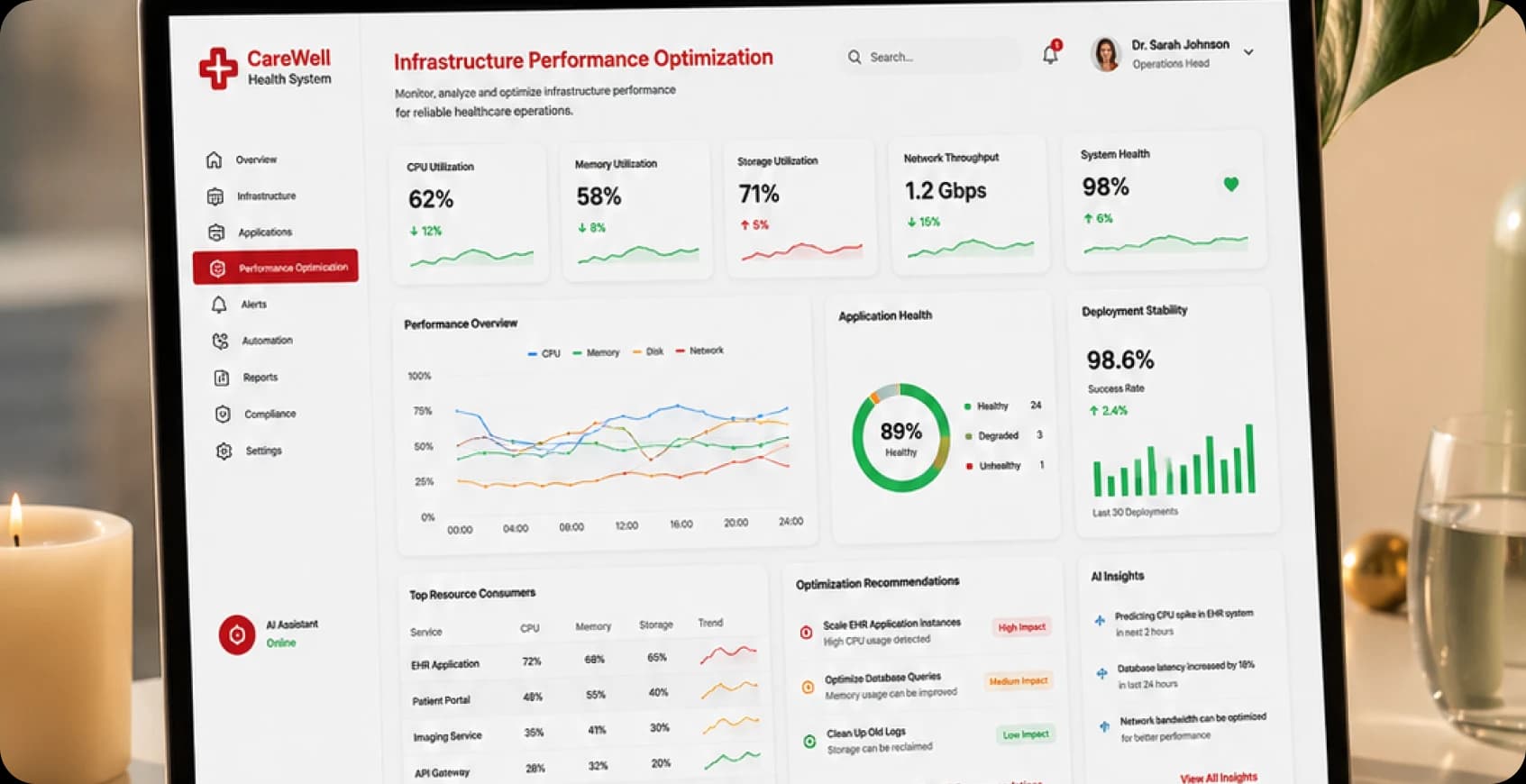
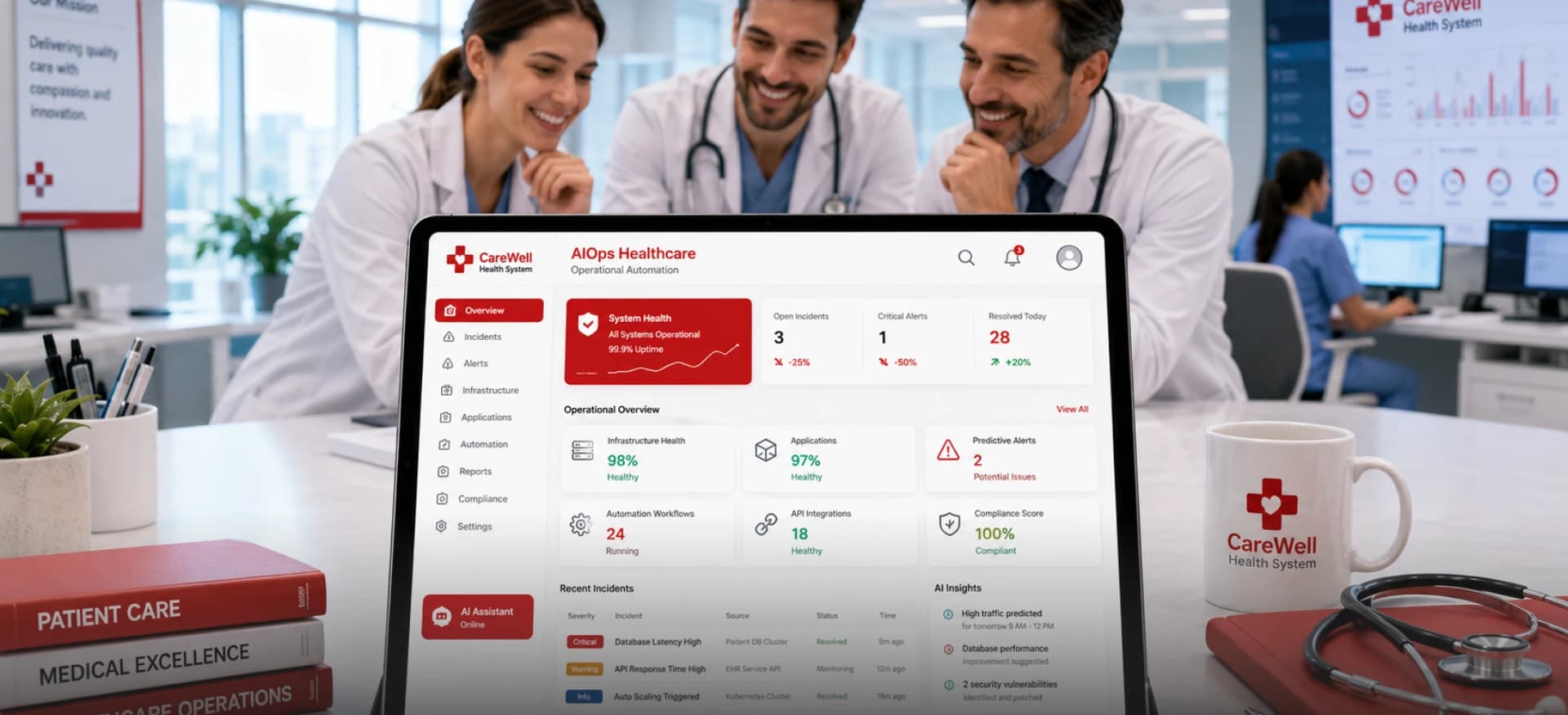
Operations staff gained a centralized command center for infrastructure health, incident analytics, and performance trends instead of manually tracing alerts across disconnected tools.
This page covers the client context, AIOps platform design, delivered capabilities, business results, and common questions about healthcare operational automation.
Why Healthcare Organizations Needed Operational Automation with AIOps
Healthcare organizations rely on always-on IT infrastructure to support clinical applications and patient care. Growing cloud environments and connected systems increased operational complexity, creating the need for AIOps-driven automation to improve reliability, reduce service disruptions, and simplify IT operations.
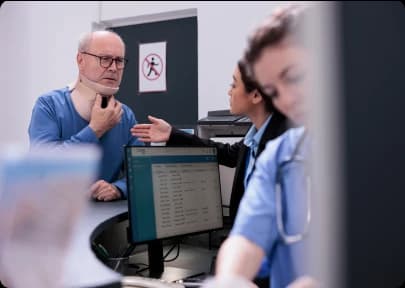
Disconnected monitoring environments delayed the identification of infra failures affecting critical healthcare services.

IT teams manually correlated alerts, logs, and performance metrics across multiple operational platforms.

Large volumes of repetitive alerts made it difficult to prioritize high-impact incidents and respond efficiently.
Hybrid cloud, on-premise infrastructure, and connected healthcare applications increased operational complexity.
Routine infrastructure maintenance and repetitive operational tasks reduced engineering efficiency and delayed innovation.

Limited predictive visibility prevented IT teams from proactively identifying performance bottlenecks and infrastructure risks.
Strengthen Healthcare
Infrastructure with AIOps
Transform healthcare IT operations with AIOps-driven automation that improves infrastructure visibility, reduces operational complexity, and supports uninterrupted clinical services.
How We Built Operational Automation with AIOps for Healthcare
Starling Elevate developed an AIOps-powered operational framework that automates infrastructure monitoring, streamlines incident management, and strengthens healthcare IT performance through intelligent automation.
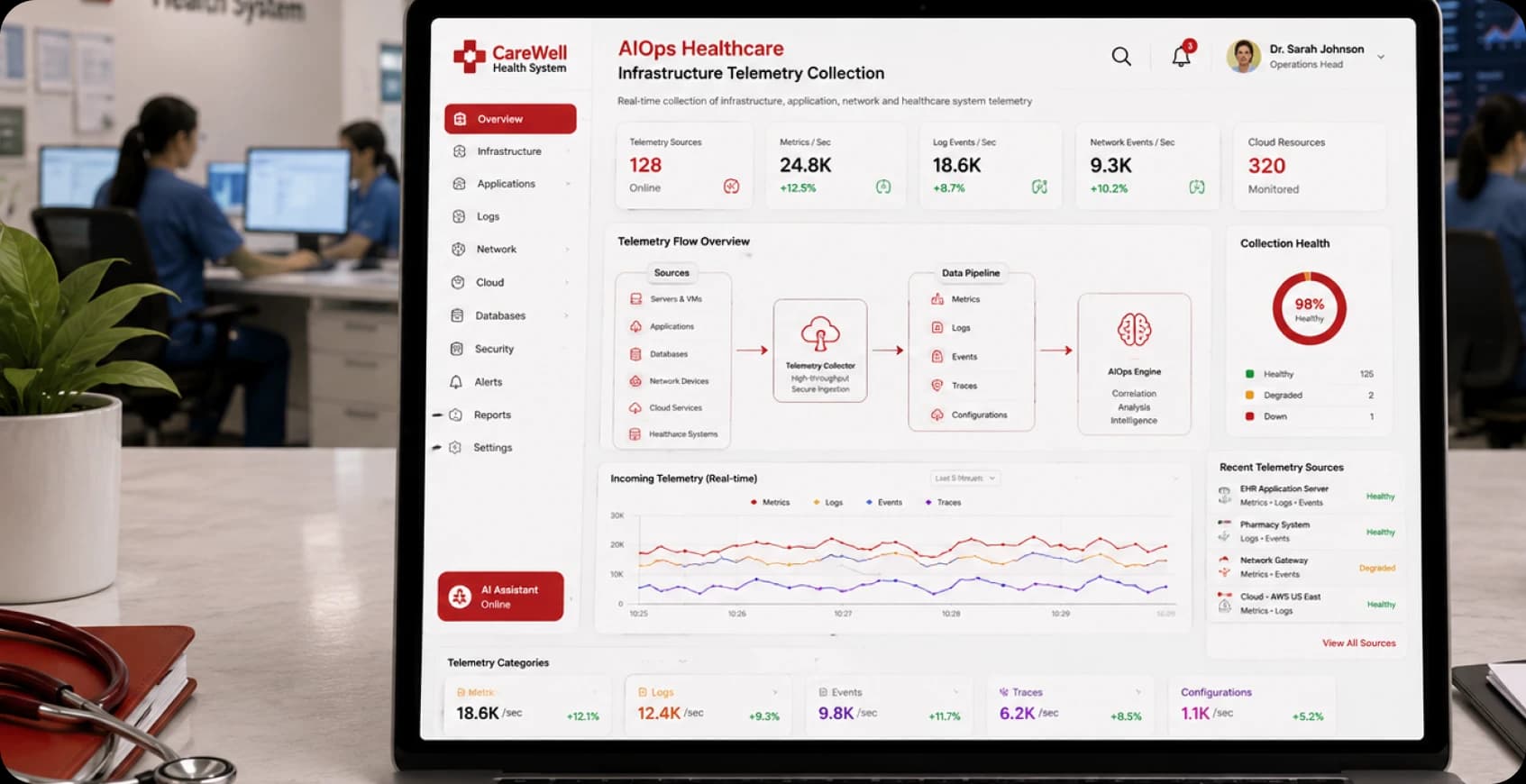
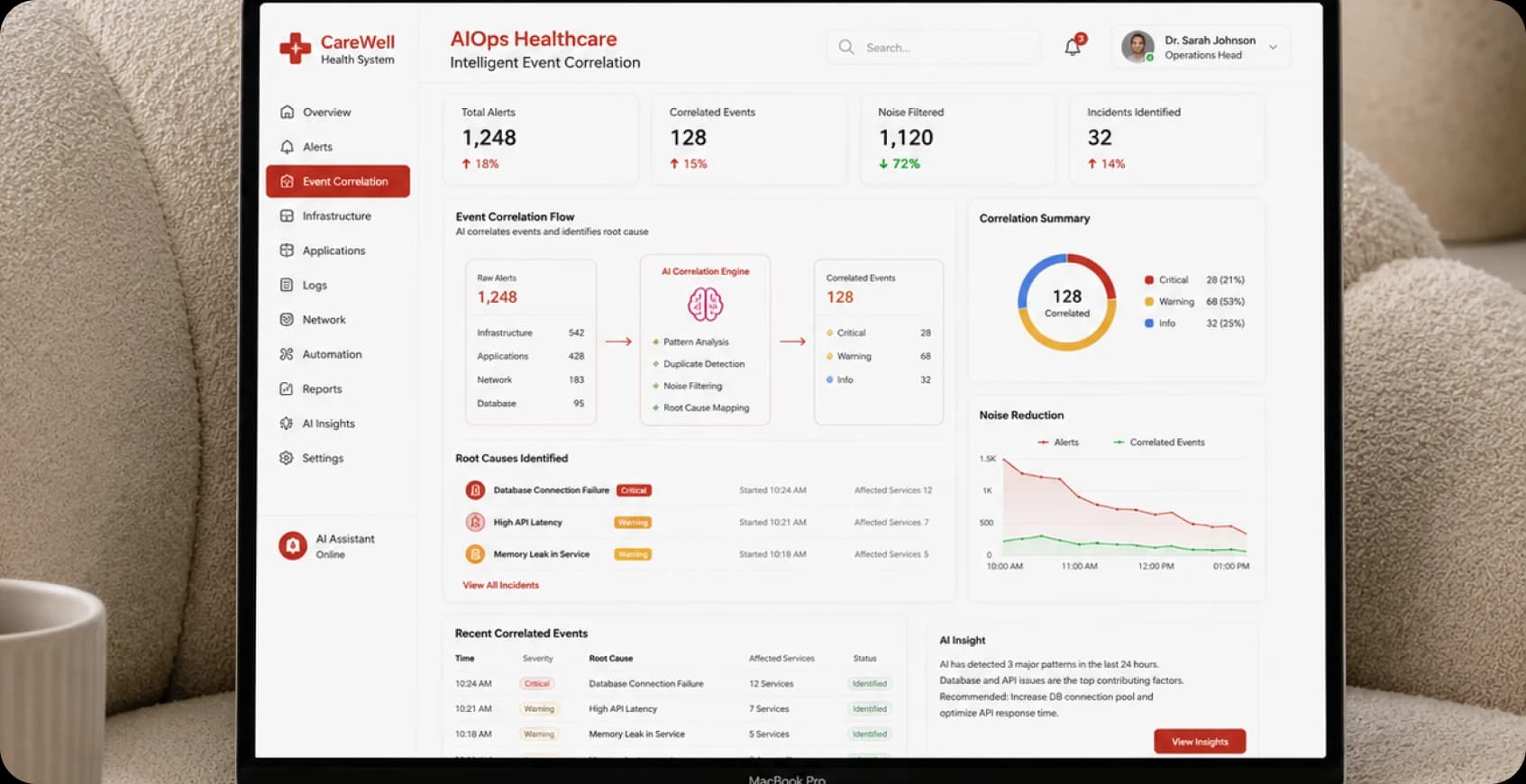
Steps
What We Delivered
Starling Elevate delivered an AIOps-powered operational platform that helps healthcare organizations monitor infrastructure, automate IT operations, and improve service reliability. Built through AIOps / DevOps Services, the solution integrates intelligent monitoring, automated incident response, infrastructure automation, and operational analytics to simplify healthcare IT management.
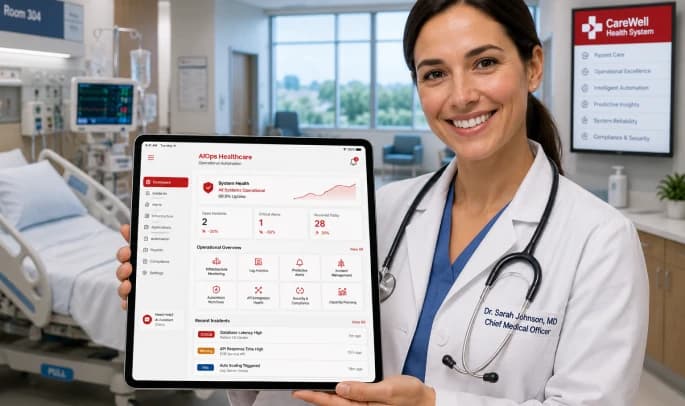
The solution enabled healthcare IT teams to reduce manual operational effort, improve infrastructure visibility, accelerate incident resolution, and maintain reliable healthcare services.
Results &
Business
Impact
Healthcare organizations established resilient IT operations that improved infrastructure reliability, accelerated operational response, and ensured uninterrupted support for critical healthcare applications.
Reduced Infrastructure Downtime
Faster Incident Resolution
Smarter Infrastructure Monitoring
Improved System Availability
Optimized Resource Utilization
Enhanced Operational Visibility
Higher IT Team Productivity
The Future of Healthcare AIOps
Healthcare IT operations are evolving toward autonomous infrastructure management powered by AI. Future AIOps platforms will continuously predict operational risks, automate incident remediation, optimize cloud resources, and improve application performance without manual intervention. These capabilities will enable healthcare providers to deliver highly reliable digital services while reducing operational complexity.
Autonomous Incident Remediation
AI-Powered Infrastructure Optimization
Intelligent Capacity Planning
Final Summary
Over three months, Starling Elevate delivered Healthcare Operational Automation with AIOps for a Thailand-based healthcare organization. The platform combines intelligent monitoring, automated incident orchestration, and predictive analytics so IT teams can maintain stable clinical and patient-facing systems.
The release included a unified operations command center, automated workflows, and observability dashboards. Healthcare IT teams reduced downtime, resolved incidents faster, and improved infrastructure reliability for uninterrupted care delivery.
Frequently asked Questions
Didn't get an answer?
We will reach out to you in less than 2 hours!
Healthcare operational automation with AIOps uses AI to monitor infrastructure, correlate alerts, predict failures, and automate incident response for hospital and clinical IT systems. Starling Elevate built a platform that helps healthcare IT teams maintain reliable digital services for patient care.
The solution used Datadog, Prometheus, and Grafana for observability, Kubernetes for container orchestration, and AI-driven event correlation and workflow automation to manage hybrid cloud and on-premise healthcare infrastructure.
Starling Elevate delivered this healthcare operational automation platform over a three-month engagement in Thailand, covering telemetry collection, intelligent alerting, automated remediation workflows, and a centralized operations dashboard.
AIOps automatically correlates alerts from multiple monitoring tools, filters noise, identifies root causes, and triggers predefined remediation workflows. Healthcare IT teams resolve high-impact incidents faster with less manual triage across platforms.
The client struggled with disconnected monitoring, manual alert correlation, alert fatigue, hybrid infrastructure complexity, repetitive maintenance tasks, and limited predictive visibility before service disruptions affected clinical applications.
The organization reduced infrastructure downtime, accelerated incident resolution, improved system availability, optimized resource utilization, and gained stronger operational visibility while increasing IT team productivity.
Didn't get an answer?
We will reach out to you in less than 2 hours!

Improves infrastructure resilience
Implement AIOps-driven operational automation that strengthens infrastructure performance, accelerates incident response, and keeps healthcare systems running reliably.