Prompt Engineering for
Healthcare AI Systems


Technology We Used



Project Overview
A Malaysia healthcare organization was using generic AI prompts across clinical documentation, patient communication, and administrative workflows. Outputs varied in quality, medical notes often needed correction, and teams lacked confidence that AI interactions met HIPAA-style governance requirements. Starling Elevate built structured prompt engineering workflows to make healthcare AI more consistent, accurate, and compliant.
The four-month project combined Claude Sonnet, a clinical NLP engine, and a HIPAA-compliant AI framework to guide how models generate medical documentation, support care coordination, and handle patient-facing communication.
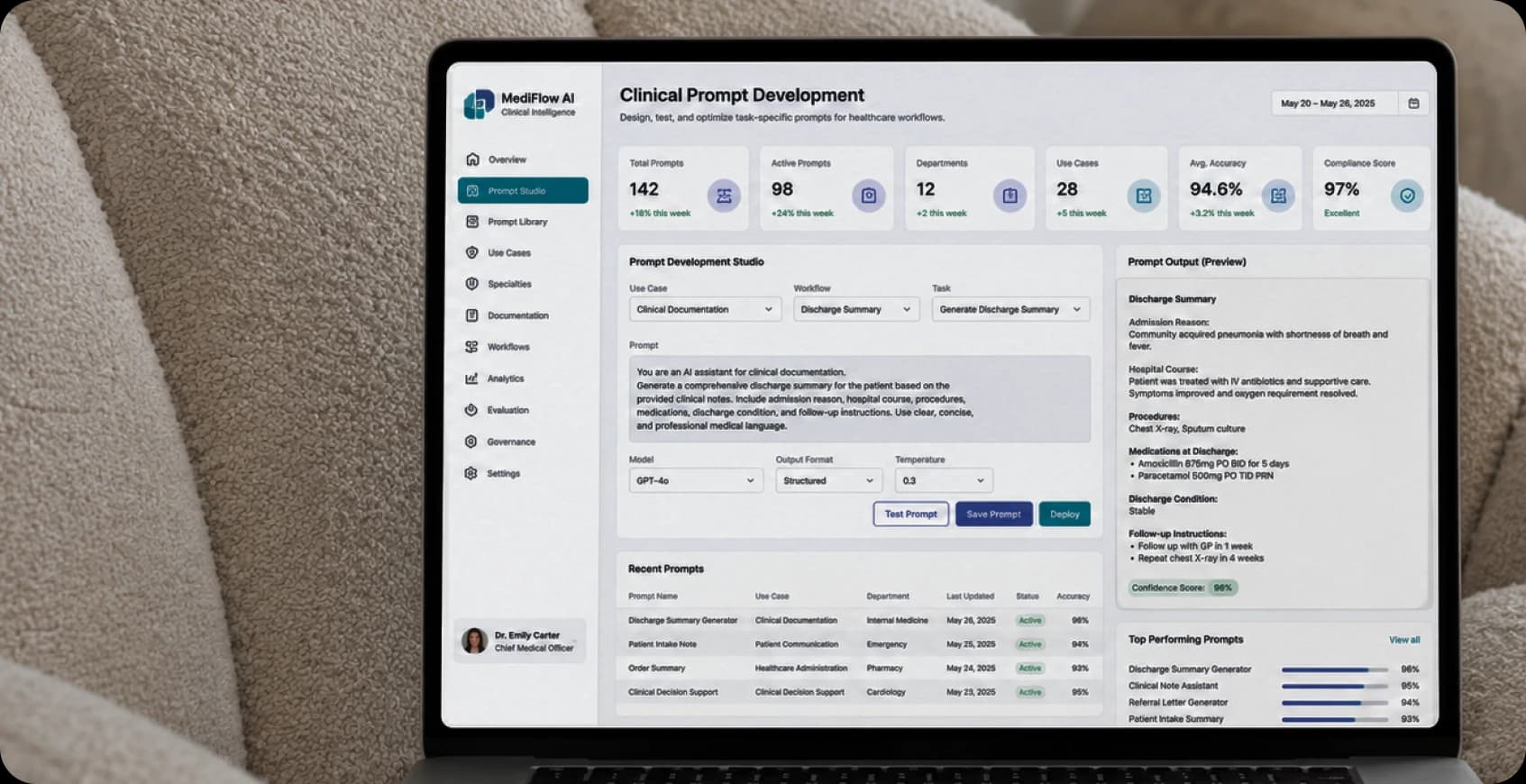
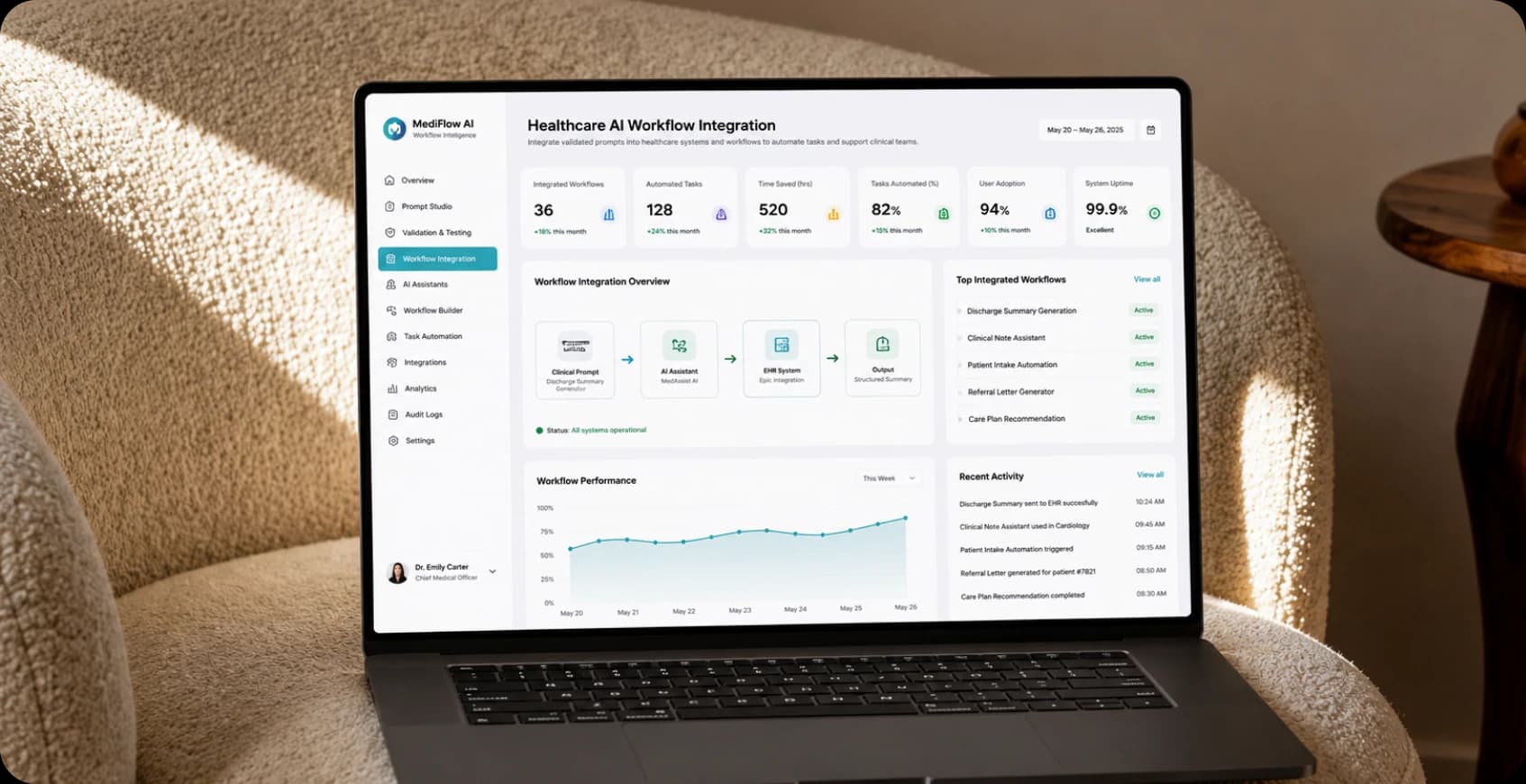
Clinical and administrative teams use task-specific prompts for documentation, intake, referrals, and decision support. Each workflow follows defined output standards and compliance controls before content moves into production healthcare systems.
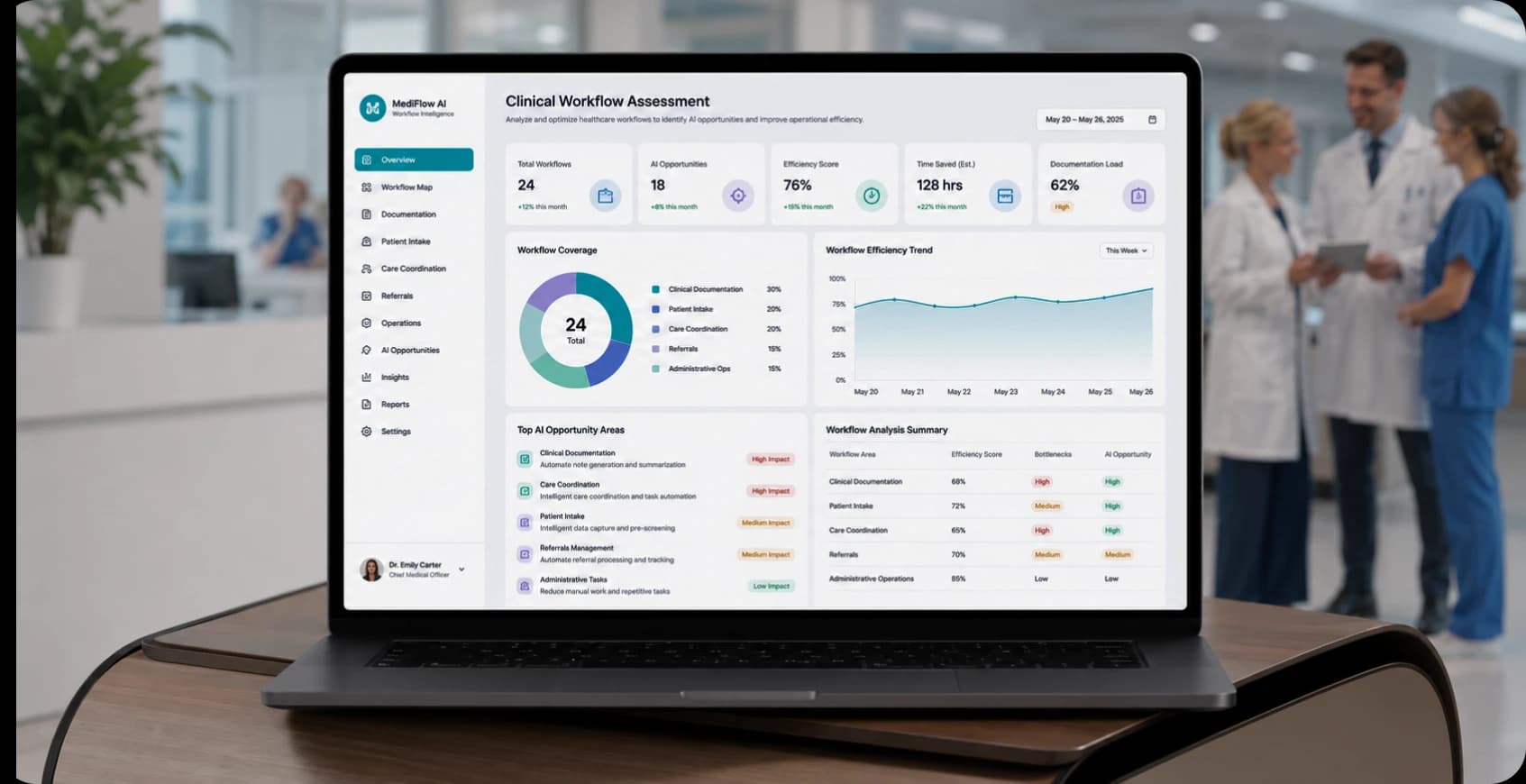
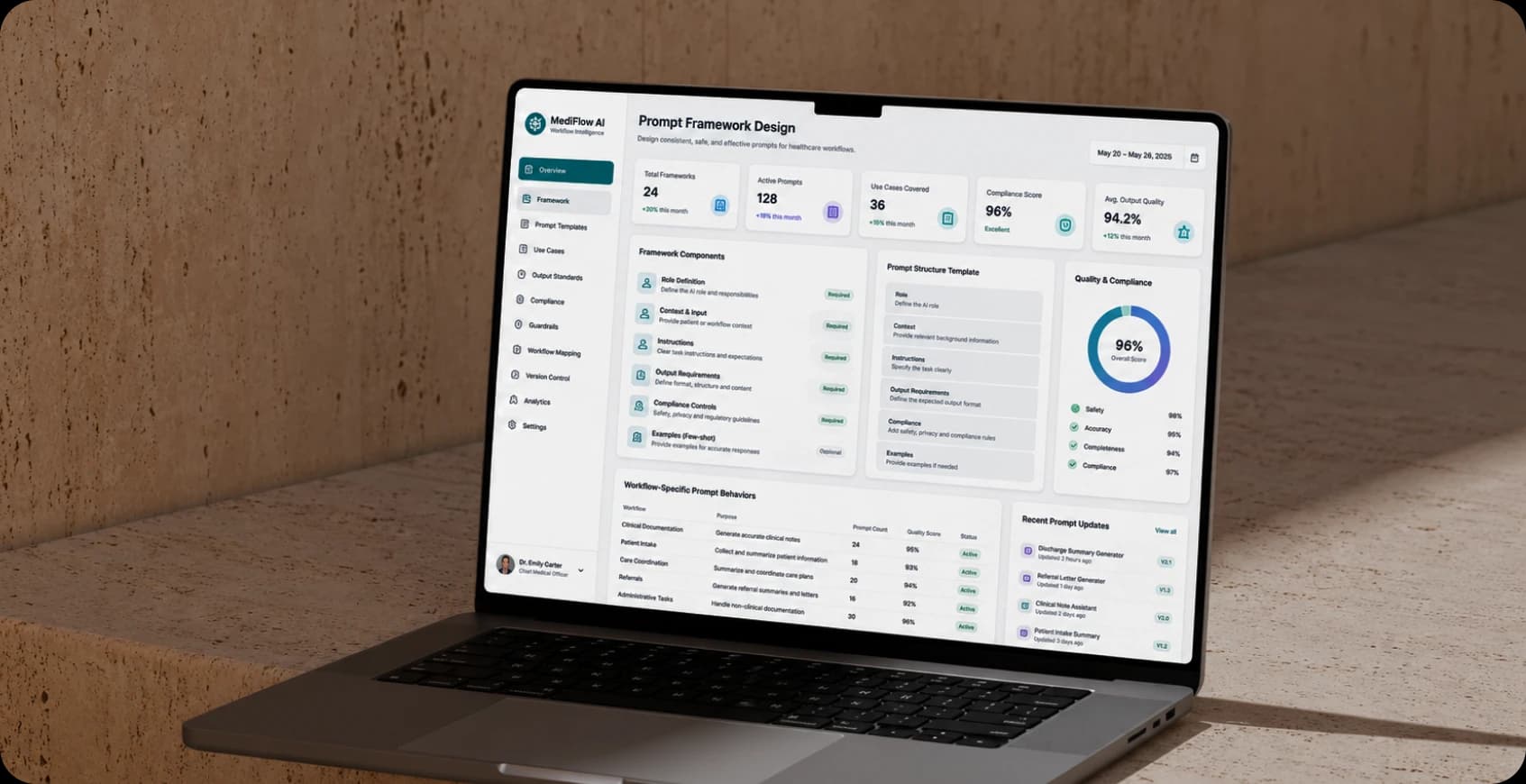
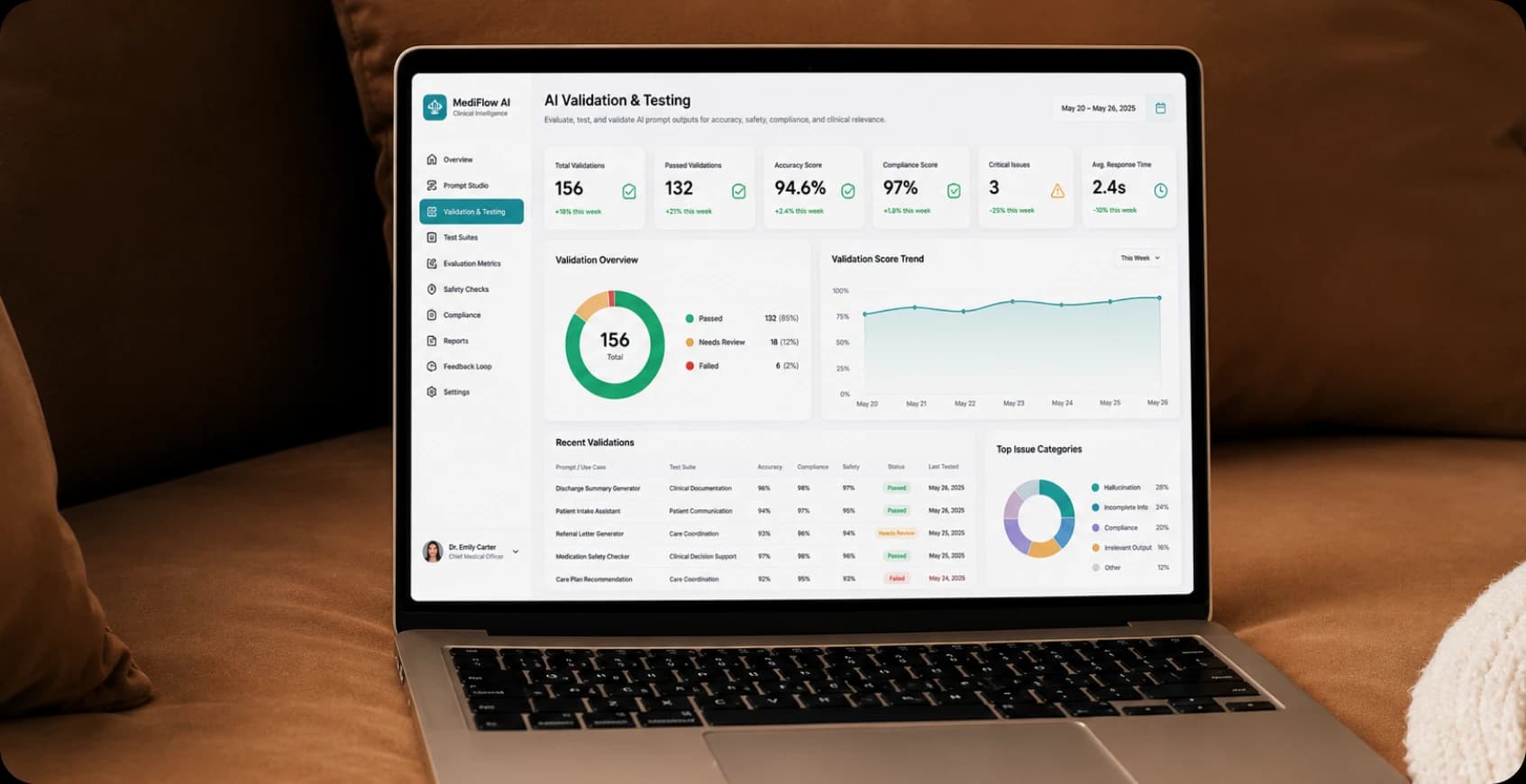
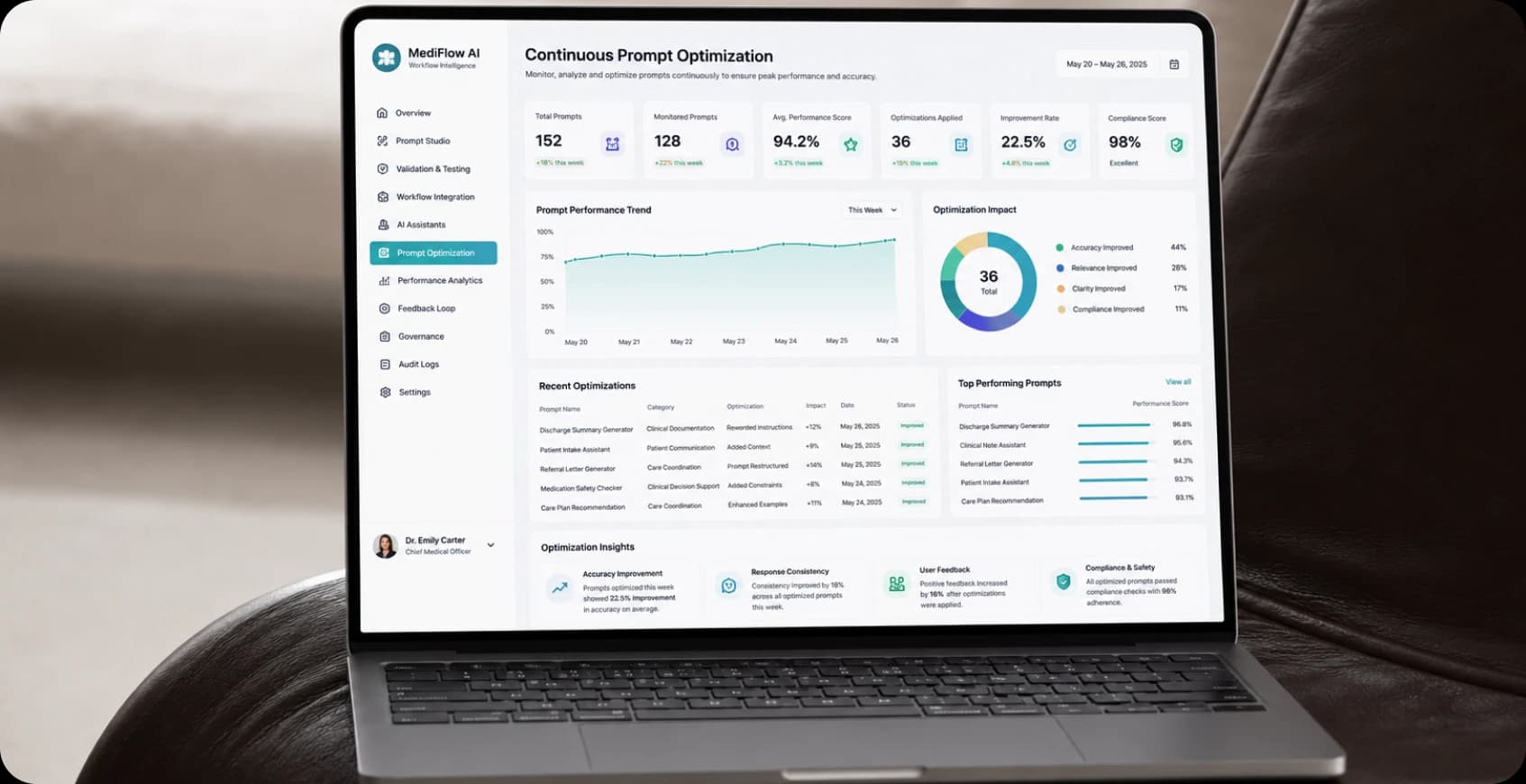
The prompt engineering scope covered clinical workflow assessment, prompt framework design, task-specific clinical prompt development, AI validation and testing, integration with medical assistants and operational tools, and continuous optimization based on feedback and performance metrics.
Why Healthcare Organizations Needed AI Prompt Engineering
As healthcare organizations adopted Generative AI across clinical and administrative operations, inconsistent outputs, compliance concerns, and unreliable AI behavior created barriers to broader adoption. Without a structured Healthcare AI Prompt Engineering strategy, organizations struggled to deploy AI systems that could consistently support documentation, decision support, and operational workflows.

Inconsistent AI-generated outputs across clinical, patient engagement, and administrative workflows

Limited accuracy in AI-powered medical documentation and patient communication

Difficulty designing reliable prompts for complex healthcare use cases
Challenges maintaining HIPAA-compliant AI interactions and data governance
Fragmented Healthcare AI Workflows with no centralized prompt management strategy

Limited visibility into AI prompt performance and optimization opportunities
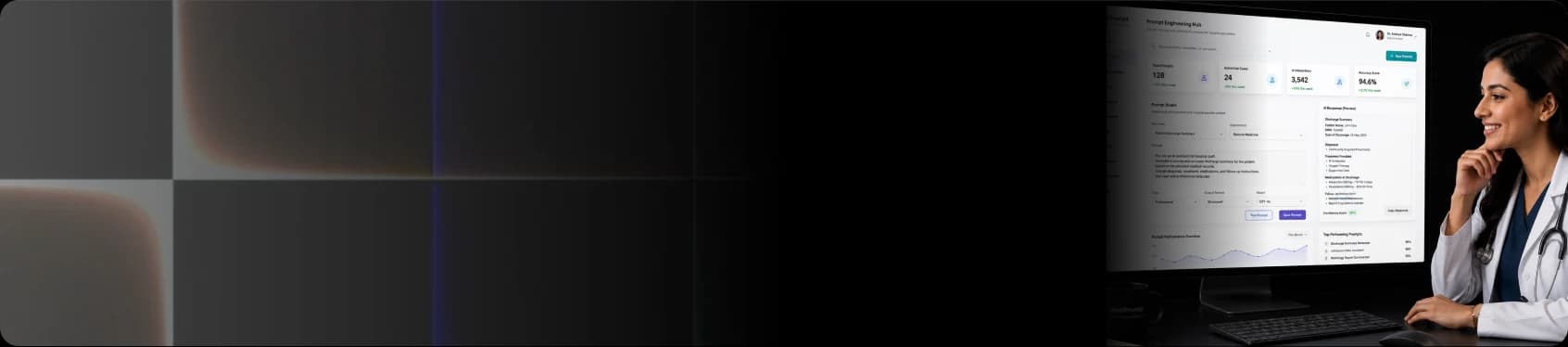
Engineer Better Outcomes with
Healthcare AI
Leverage advanced prompt engineering to improve AI reliability, governance, and performance across healthcare operations.
How We Built the Healthcare AI Prompt Engineering Platform
The platform was designed to deliver a governed AI prompt framework that enhances output accuracy, supports healthcare compliance requirements, and drives consistent AI performance across complex clinical and operational environments.
Steps
What We Delivered
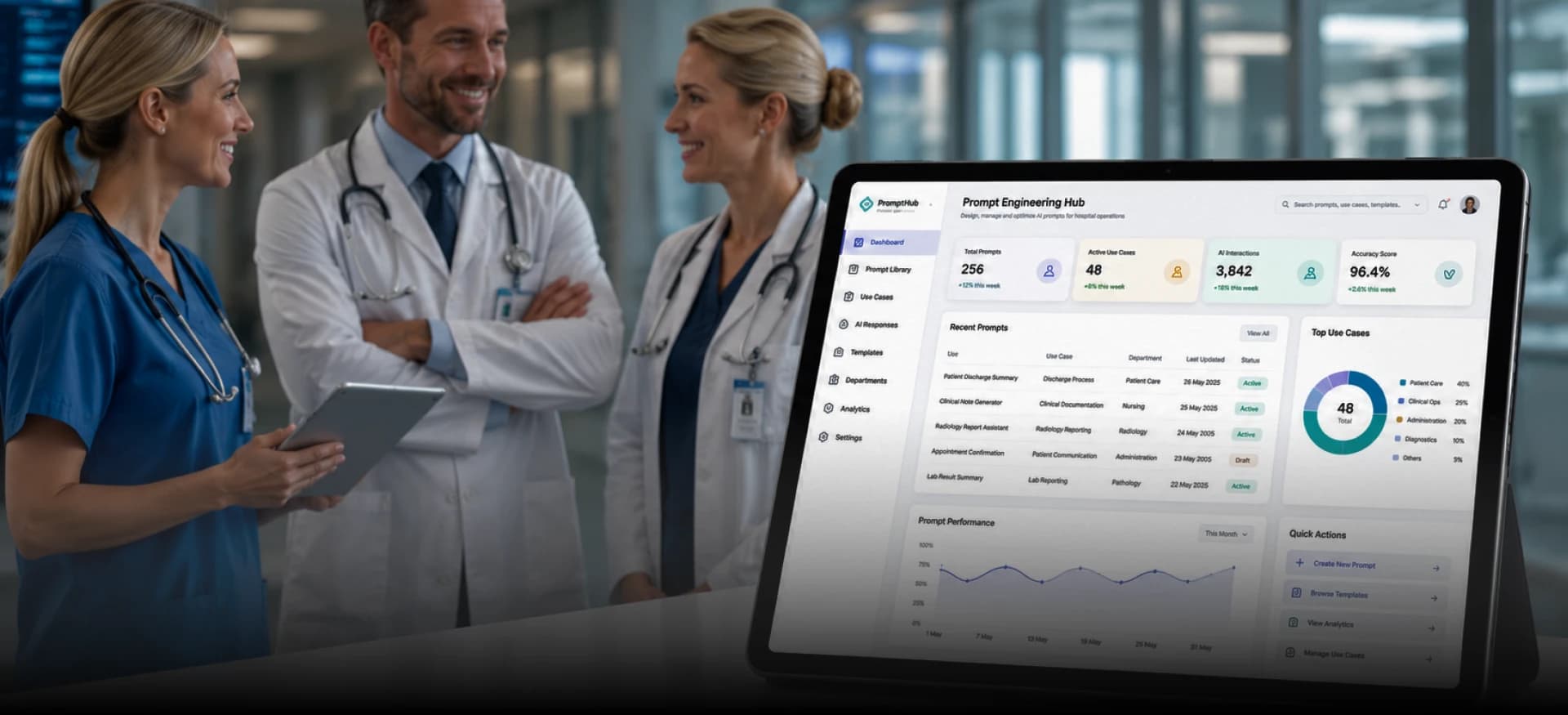
We delivered a Prompt Engineering for Healthcare AI Systems platform that combines prompt optimization, AI governance, and healthcare workflow intelligence to support reliable AI adoption across healthcare organizations.
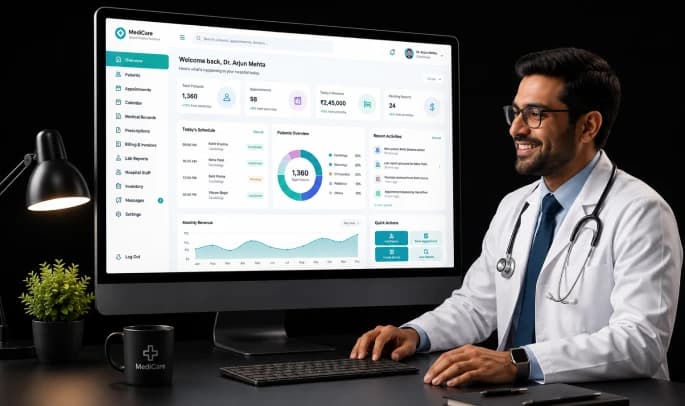
The solution enabled healthcare organizations to improve AI reliability, strengthen compliance controls, and create more consistent healthcare AI experiences across clinical and operational workflows.
Results &
Business
Impact
The platform established a structured foundation for responsible AI adoption while improving operational efficiency and confidence in AI-assisted healthcare workflows.
Improved AI Output Consistency
Higher Clinical Documentation Accuracy
Enhanced Healthcare AI Governance
Reduced Administrative Documentation Burden
Stronger HIPAA Compliance Controls
More Reliable Clinical Decision Support
Unified Healthcare AI Workflow Management
The Future of Healthcare AI Systems
As healthcare organizations continue expanding AI adoption, prompt engineering will play a critical role in improving AI reliability, governance, and clinical effectiveness across healthcare ecosystems.
Predictive Clinical Prompt Intelligence
Real-Time Prompt Optimization
Specialty-Specific Clinical Prompt Libraries
Final Summary
Starling Elevate delivered this healthcare AI prompt engineering solution over four months for a Malaysia healthcare organization. The release included a prompt framework, HIPAA-compliant prompt architecture, medical AI assistant, clinical copilot, prompt optimization engine, prompt management platform, clinical decision support framework, and workflow automation integrated with existing care systems.
The organization achieved more consistent AI outputs and higher clinical documentation accuracy. Healthcare AI governance improved, administrative documentation burden dropped, HIPAA compliance controls strengthened, clinical decision support became more reliable, and teams gained unified management across healthcare AI workflows.
Frequently asked Questions
Didn't get an answer?
We will reach out to you in less than 2 hours!
Prompt engineering for healthcare AI systems designs structured prompts that guide clinical documentation, patient communication, and administrative workflows. Starling Elevate built task-specific prompts with compliance controls instead of generic templates that produce inconsistent medical outputs.
The solution uses Claude Sonnet for content generation and clinical interactions, a clinical NLP engine for medical language processing, and a HIPAA-compliant AI framework to enforce governance and data protection across healthcare workflows.
Starling Elevate completed this prompt engineering engagement over four months for a Malaysia healthcare organization, covering workflow assessment, prompt framework design, clinical prompt development, validation, system integration, and ongoing optimization.
The client struggled with inconsistent AI outputs across clinical and administrative workflows, limited accuracy in medical documentation and patient communication, difficulty designing reliable prompts for complex use cases, HIPAA compliance concerns, fragmented prompt management, and limited visibility into prompt performance.
The framework defines output standards, compliance controls, and workflow-specific AI behaviors before prompts reach production. This helps ensure AI interactions follow healthcare governance requirements and reduces the risk of unsupported or non-compliant responses.
The organization improved AI output consistency, raised clinical documentation accuracy, strengthened healthcare AI governance, reduced administrative documentation burden, enhanced HIPAA compliance controls, delivered more reliable clinical decision support, and unified healthcare AI workflow management.
Didn't get an answer?
We will reach out to you in less than 2 hours!

Power Clinical Excellence with AI Prompt Engineering
Optimize healthcare AI performance through governed prompt architectures that enhance reliability, efficiency, and decision support across care operations.